

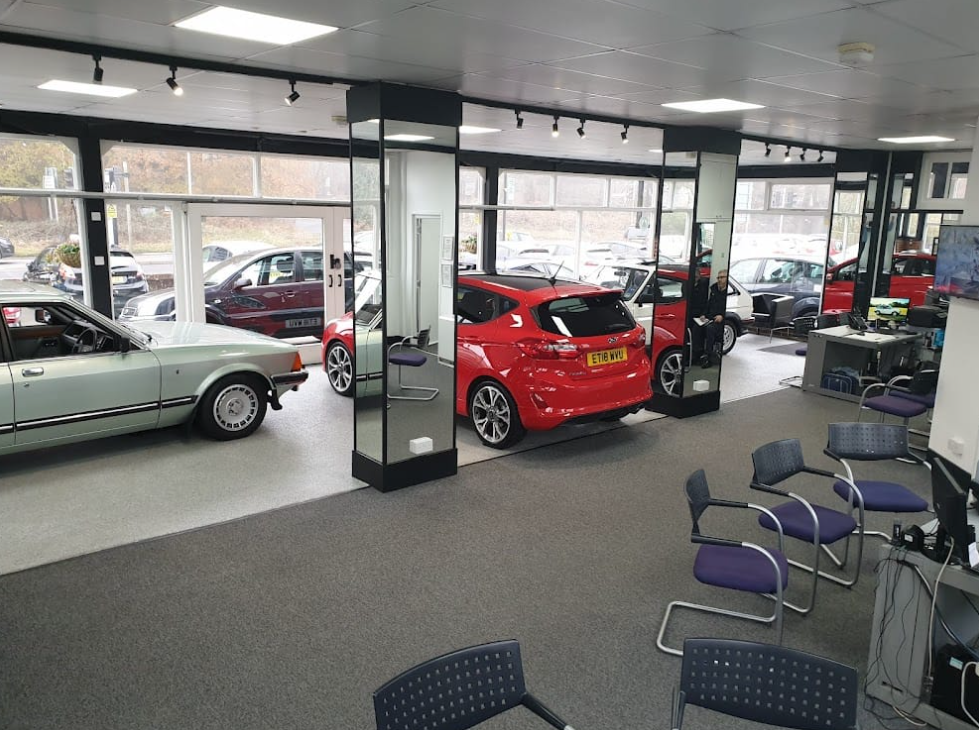
Classic car enthusiasts understand that some automotive names carry a deeper meaning than horsepower alone. They represent heritage, craftsmanship, and decades of engineering passion. Among these iconic names, ac cars forest row continues to attract attention from collectors, enthusiasts, and local history followers alike.
The AC Cars name holds a special place in British automotive culture. From hand-built sports cars to racing legends, the company developed a reputation that extends far beyond traditional manufacturing. Moreover, locations associated with AC Cars have become part of that story, particularly within Sussex and surrounding communities.
This article explores the heritage, local significance, craftsmanship, and enduring appeal connected with AC Cars and Forest Row.
Understanding the AC Cars Legacy
AC Cars stands among Britain’s oldest automobile manufacturers.
Its story stretches across generations of automotive innovation.
Unlike mass-market brands focused primarily on volume, AC Cars built an identity around craftsmanship, engineering, and individuality.
Enthusiasts often admire the company for:
- Hand-built production
- Racing heritage
- British engineering
- Distinctive styling
- Limited production models
This combination created a loyal following.
Moreover, classic car collectors continue to value the brand because of its historic significance.
AC Cars History and Early Development
Understanding Ac cars history helps explain why enthusiasts remain passionate today.
The company traces its origins back to the early twentieth century.
Initially involved with engineering and vehicle production, the business gradually evolved into a respected sports car manufacturer.
Over time, AC Cars became associated with:
- Lightweight performance
- Mechanical innovation
- Racing success
- Bespoke craftsmanship
Rather than following predictable automotive trends, the company often embraced distinctive engineering solutions.
This independence shaped its identity.
Milestones in Company Development
Several moments stand out.
| Era | Key Development |
|---|---|
| Early Years | Vehicle and engineering production |
| Mid-Century | Sports car expansion |
| Racing Era | International motorsport visibility |
| Modern Interest | Collector and heritage appeal |
These stages contributed to the brand’s reputation.
The Connection Between Forest Row and AC Cars

Automotive history often becomes closely tied to geography.
Communities linked with famous manufacturers gain lasting cultural significance.
That is partly why ac cars forest row remains an important topic for enthusiasts
Also Read: Miah Harbaugh Biography, Family, and Life Beyond the Spotlight
Forest Row, located within Sussex, carries historical and regional connections that interest automotive followers.
For many enthusiasts, these local associations add authenticity.
Rather than existing as distant corporate history, the story becomes rooted in real places and communities.
Why Location Matters
Historic automotive locations create value through:
- Cultural identity
- Local pride
- Tourism interest
- Heritage preservation
- Community memory
These factors strengthen emotional connection.
Classic car stories become more meaningful when connected to recognizable places.
British Craftsmanship and Engineering Philosophy
AC Cars developed a reputation built on precision.
Unlike automated production lines dominating modern manufacturing, many classic vehicles involved skilled craftsmanship.
This approach emphasized quality over quantity.
Key Features of AC Craftsmanship
Several characteristics define the brand.
Hand-Built Construction
Many vehicles featured extensive manual assembly.
This often resulted in:
- Attention to detail
- Unique character
- Limited production appeal
Engineering Innovation
The company explored mechanical solutions that balanced speed and reliability.
Distinctive Styling
Design became part of the experience.
Classic proportions and elegant lines helped vehicles stand apart.
Performance Focus
Driving engagement remained central.
Enthusiasts valued both appearance and handling.
These features continue influencing collector demand.
AC Cars Sussex and Regional Identity

Interest surrounding ac cars sussex reflects more than geography.
Sussex itself possesses strong cultural and historical identity.
Automotive heritage becomes part of this wider regional story.
Local enthusiasts appreciate connections between industry and place.
Moreover, heritage-driven tourism often benefits communities linked to famous manufacturers.
Regional Importance
Automotive heritage supports:
- Visitor interest
- Local storytelling
- Historical preservation
- Community engagement
Consequently, automotive history creates value beyond vehicles alone.
The Racing Reputation
Sports car history rarely develops without motorsport.
Racing pushed engineering boundaries and shaped brand identity.
AC Cars became associated with performance-oriented engineering and competitive ambition.
Motorsport provided:
- Testing environments
- Technical learning
- International visibility
- Brand prestige
Success on racing circuits often strengthened public reputation.
Furthermore, motorsport stories continue inspiring enthusiasts decades later.
Design and Performance Appeal
Classic car ownership involves emotion as much as mechanics.
People admire these vehicles because they represent character.
AC designs frequently featured:
- Long body lines
- Lightweight construction
- Driver-focused cabins
- Mechanical simplicity
- Elegant detailing
This design philosophy continues appealing to collectors.
Modern vehicles may deliver advanced technology, yet classic craftsmanship offers a different experience.
AC Cars for Sale and Collector Interest
Searches for ac cars for sale remain common among collectors and enthusiasts.
Classic vehicles attract interest for several reasons.
Investment Potential
Some collectors view classic automobiles as alternative investments.
Values may be influenced by:
- Rarity
- Condition
- Provenance
- Historical significance
Emotional Ownership
Ownership extends beyond financial value.
Collectors often appreciate:
- Heritage
- Design
- Mechanical character
- Nostalgia
This emotional connection remains powerful.
Restoration Culture
Restoration communities help preserve automotive history.
Skilled specialists contribute through:
- Mechanical repair
- Body restoration
- Historical research
- Parts sourcing
These efforts support long-term preservation.
AC Cars Crowborough and Local Automotive Interest
Interest surrounding ac cars crowborough highlights how regional automotive stories remain relevant.
Nearby communities often share historical links and enthusiast networks.
Classic car culture thrives through:
- Clubs
- Events
- Heritage discussions
- Collector communities
These networks strengthen local engagement.
Moreover, regional identity adds personality to automotive history.
AC Cars Wych Cross and Community Connections
Another topic drawing attention involves ac cars wych cross and nearby regional connections.
Automotive heritage rarely exists in isolation.
Communities surrounding manufacturing or historical activity frequently become part of the narrative.
Why do enthusiasts value these connections?
Because they provide:
- Historical context
- Geographic authenticity
- Cultural continuity
- Storytelling depth
These elements enrich appreciation.
Why Choose Heritage Automotive Experiences
Classic cars represent more than transportation.
They create experiences.
Key Features of Heritage Motoring
Owners and enthusiasts appreciate:
Character
Classic vehicles feel distinctive.
Mechanical Simplicity
Many enthusiasts enjoy understanding how systems work.
Historical Significance
Every vehicle carries history.
Community
Ownership often creates friendships and shared interests.
These features explain enduring enthusiasm.
Benefits for Automotive Businesses
Classic automotive culture also supports business activity.
Heritage brands influence:
- Tourism
- Restoration services
- Specialist workshops
- Parts suppliers
- Event organizers
Commercial Value
Businesses connected to classic motoring may benefit through:
- Niche expertise
- Customer loyalty
- Heritage branding
- Enthusiast communities
Consequently, automotive heritage contributes economically as well as culturally.
The Enduring Appeal of British Sports Cars
British sports cars occupy a special place globally.
Their appeal combines:
- Performance
- Design
- Craftsmanship
- Driving emotion
AC Cars helped shape this identity.
Collectors frequently compare classic British models based on:
- Engineering
- Rarity
- Racing pedigree
- Design philosophy
This conversation keeps heritage alive.
Preserving Automotive History
Preservation matters.
Without restoration, documentation, and enthusiast dedication, important stories risk disappearing.
Preservation efforts include:
- Museums
- Private collections
- Historical archives
- Community events
- Restoration projects
These activities ensure future generations appreciate automotive heritage.
Moreover, preserving history creates educational value.
Modern Relevance of Historic Brands
Historic manufacturers continue influencing modern conversations.
Classic brands inspire:
- Designers
- Engineers
- Collectors
- Enthusiasts
Even as electric mobility and digital systems reshape transportation, appreciation for craftsmanship remains strong.
This balance between innovation and heritage creates fascinating discussion.
Conclusion
Interest in ac cars forest row reflects the lasting appeal of heritage, craftsmanship, and regional automotive identity. AC Cars remains admired because it represents more than manufacturing alone. It symbolizes engineering ambition, British sports car tradition, and the emotional connection enthusiasts feel toward classic motoring.
Whether someone researches local history, explores collector culture, or simply appreciates automotive design, the AC Cars story continues offering inspiration. Explore this remarkable heritage and discover why classic craftsmanship still captures attention today.
FAQs
Why do people search ac cars forest row?
Many enthusiasts seek information about regional connections, automotive heritage, and local history.
What is AC Cars known for?
The company is recognized for classic sports cars, craftsmanship, and racing heritage.
Are AC cars collectible?
Yes. Many collectors value them because of rarity, design, and historical significance.
Why is ac cars history important?
It reflects the development of British sports car engineering and craftsmanship.
Are AC cars for sale still available?
Classic examples occasionally appear through collectors and specialist markets.
For more articles and updates, visit: VELNORA